ADB backs Maldives, Philippines with $800 Million as Middle East conflict strains Public Services
The package includes a $750 million loan for subprogram 3 of the Build Universal Health Care Program in the Philippines, and a $50 million emergency assistance loan for the Energy Security Emergency Assistance Project in Maldives.
The Asian Development Bank (ADB) is rapidly deploying $800 million to get health care to the people who need it in the Philippines and keep electricity and water flowing in Maldives, as the Middle East conflict impacts mount.
Conflict does not have to cross a border to enter a family’s home. It arrives in the price of medicine and in whether the lights stay on. ADB is acting so Filipinos can get the health care they need, and people in Maldives can count on electricity and water, even as a distant crisis drives up costs.
ADB President Masato Kanda.
The package includes a $750 million loan for subprogram 3 of the Build Universal Health Care Program in the Philippines, and a $50 million emergency assistance loan for the Energy Security Emergency Assistance Project in Maldives.
In the Philippines, ADB increased financing for subprogram 3 by $250 million to $750 million as oil price and supply shocks widened the government’s financing needs. The increase draws on the up to $1.75 billion in additional support Mr. Kanda offered Philippine President Ferdinand R. Marcos Jr. in May. The Japan International Cooperation Agency is providing about $188 million in parallel cofinancing, up from an original $130 million.
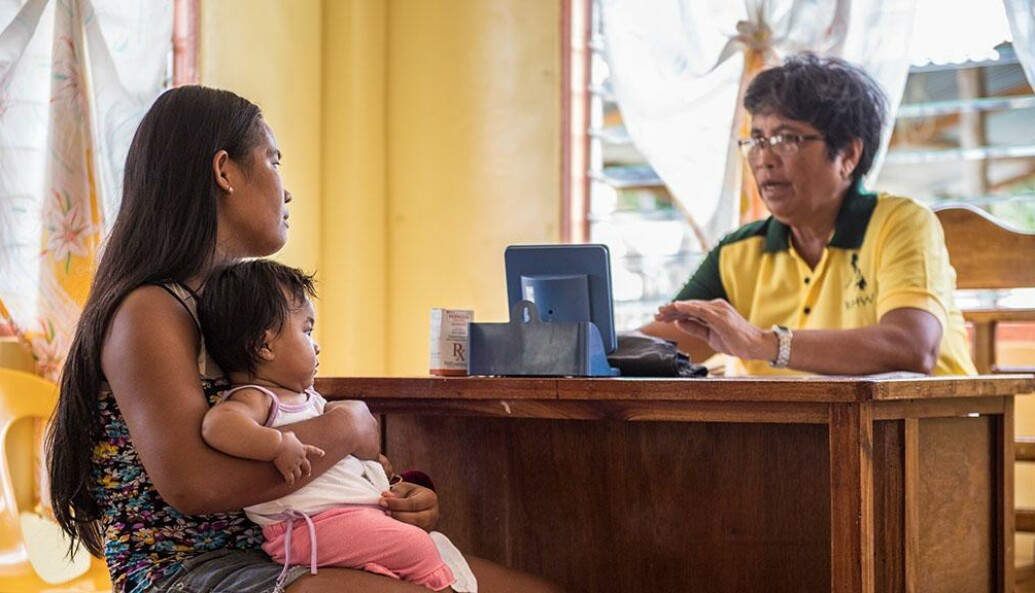
The program aims to improve equitable access to quality health services for all Filipinos, including services responsive to women’s health needs and the health impacts driven by extreme weather. Subprogram 3 has continued to support universal enrollment in PhilHealth, the national health insurer, alongside a decline in household out-of-pocket spending on health from 48.8% in 2019 to 42.7% in 2024. It has expanded PhilHealth benefit packages to cover primary care, emergency services, and additional medicines; increased no-copayment beds in public and private facilities; and deployed mobile health units, emergency medical assistance teams, and community health teams under PuroKalusugan in underserved areas.
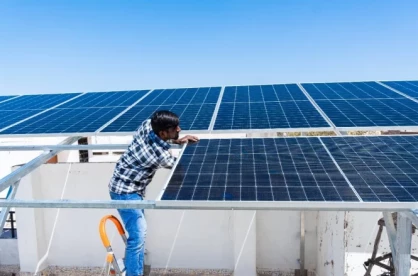
In Maldives, the conflict has driven up fuel prices and cut tourist arrivals, limiting the government’s ability to finance fuel imports. Imported fuel generates 94% of the country’s electricity and powers the desalination plants that supply drinking water, leaving few alternatives if supplies are interrupted. ADB’s loan will finance critical diesel imports to help maintain electricity and water supplies, food and health-care logistics, interisland transport of people and cargo, and waste management. ADB’s support complements $40 million from the World Bank for the same purpose.
ADB is a leading multilateral development bank supporting sustainable, inclusive, and resilient growth across Asia and the Pacific. Working with its members and partners to solve complex challenges together, ADB harnesses innovative financial tools and strategic partnerships to transform lives, build quality infrastructure, and safeguard our planet. Founded in 1966, ADB is owned by 69 members—50 from the region.