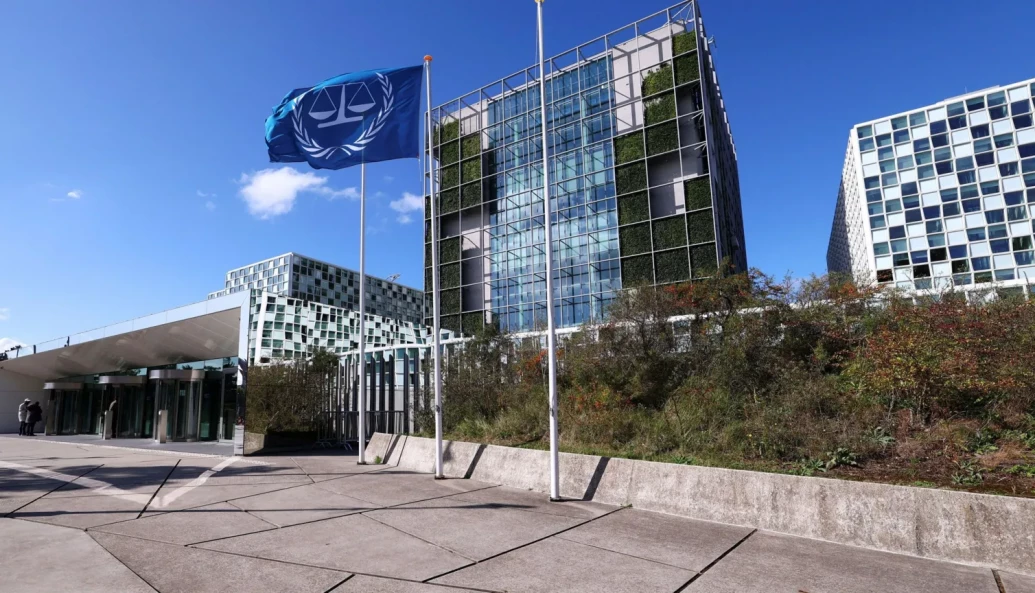
The International Criminal Court rejects US sanctions against the institution
In the statement, ICC noted that the unprecedented step follows a series of designations against thirteen independent judges and prosecutors who serve the cause of justice.
Following the sanctions imposed on the International Criminal Court (ICC) by the United States on 09 October 2026, the institution has published a statement noting that the measure targets an independent judicial institution.
In the statement ICC noted that the unprecedented step follows a series of designations against thirteen independent judges and prosecutors who serve the cause of justice. Furthermore, ICC also noted that this is an attempt to obstruct the course of justice and to prevent the Court from doing what it was created to do.
It is an assault on the rule of law and on the very foundations of the international legal order, which strikes at the simple principle that no one stands above the law.
In their statement, ICC noted that the designation is aimed at disrupting the Court’s operations and at intimidating those who work for or cooperate with the Court, and that the Court, for its part, will not be deterred. “The Court will continue to fully discharge its mandate, with independence and impartiality, acting only on the basis of the law and the evidence, for the sake of the countless victims of grave crimes” said ICC President Tomoko Akane.
The Court cannot stand alone. Its fate now rests also in the hands of the States that created it. The Rome Statute is a collective promise that the most serious crimes of concern to the international community as a whole must not go unpunished. That promise is only as strong as the resolve of those who made it. There may be challenges. But, together with its States Parties, the Court has made considerable efforts to ensure the continuity and resilience of its activities. The Court calls upon States to continue taking concrete actions, including to ensure that the Court continues to have the necessary means to continue its work. This is not just about defending a single institution, but about safeguarding the international order grounded upon the rule of law.
The ICC ended their statement by noting that no one should be punished for serving the cause of justice and that this moment will be judged by history.
Future generations, and above all, the victims of mass atrocities, will ask how we responded when an institution created to protect them came under attack. They will ask whether the Court held firm and whether the international community defended the principles it proclaimed or allowed them to be abandoned under pressure.